a 78-page book to designed to
elevate your alcohol-free lifestyle
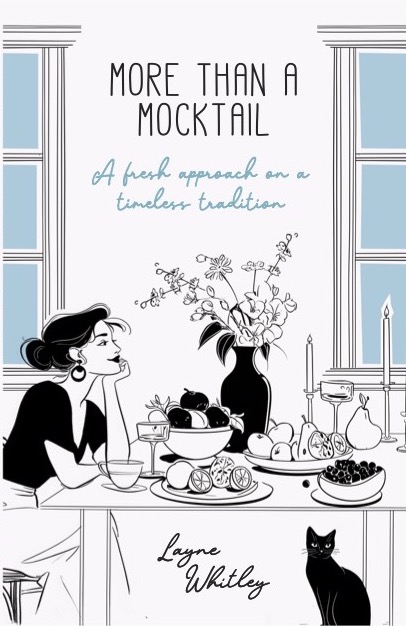
without needing to sacrifice flavor, sophistication, or fun
Get The Book (mostly) Free!
You Only Pay Cost
(shipping and materials)
You Get To Keep My Profit!
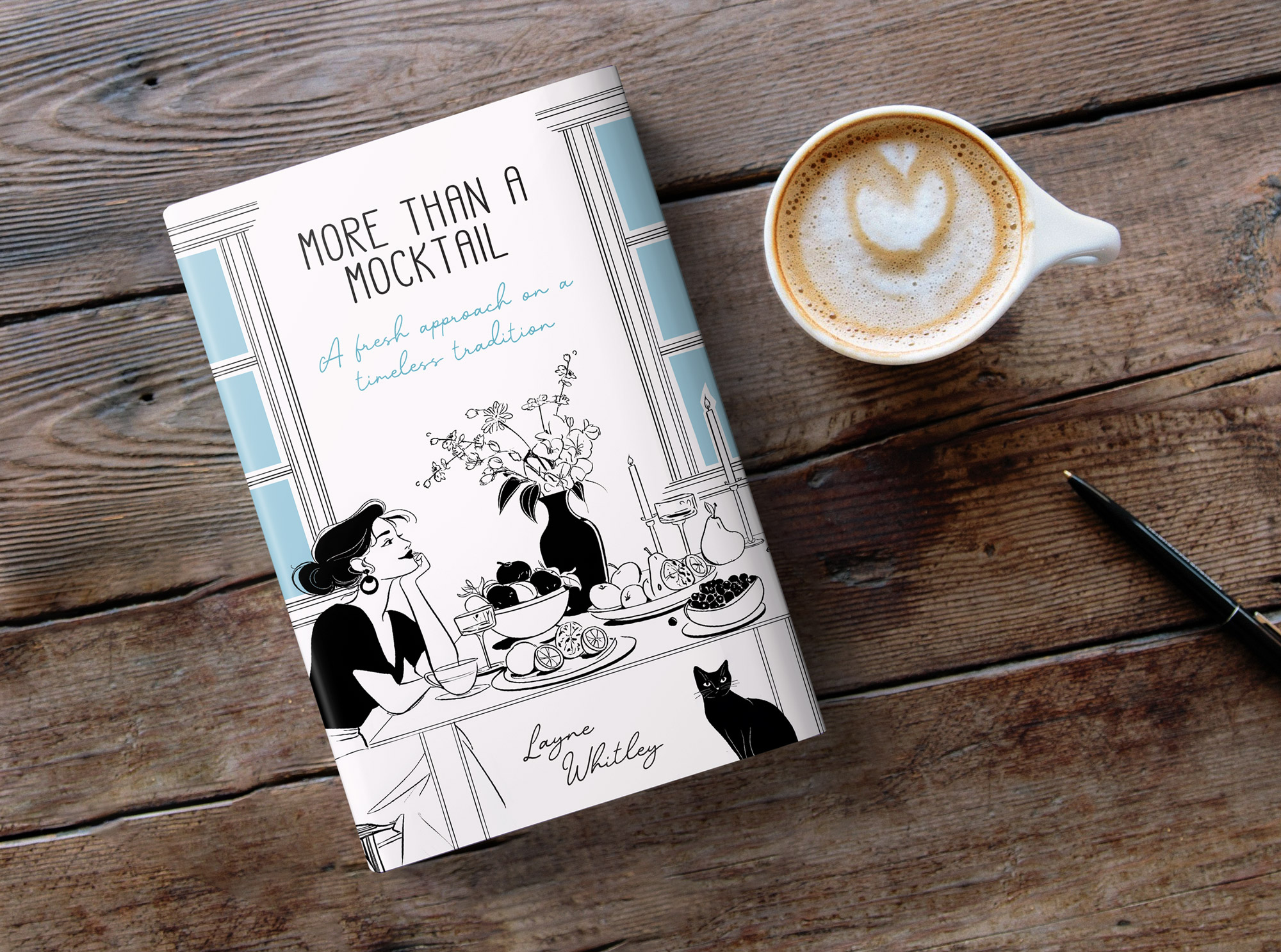
Get The Book For (Pretty-Darn-Close To) Free!
You only pay shipping & materials
A 78-PAGE BOOK
TO DEEPEN AND RAPIDLY ELEVATE YOUR ALCOHOL-FREE LIFESTYLE
without complication, overwhelm, or feeling like you’re missing out
~
learn to create something more delicious, intentional, and creative
What this book
will do for you:
DISCOVER THE HISTORY
BEHIND WHAT'S IN YOUR GLASS
From medieval possets to Hippocrates' barley tea to 19th-century shrubs, you'll learn how people across the ages crafted intentional, alcohol-free drinks — and why that history makes your own practice feel meaningful.
BUILD A CREATIVE FRAMWORK
FOR ALCOHOL-FREE BEVERAGES
Using Miss Beecher's timeless five categories (grain, emulsive, aromatic, aciduous, and herb drinks) as a foundation, you'll have a structure for improvising drinks that suit your mood, setting, and season — no recipe required.
DEVELOP A PERSONAL RITUAL
AROUND WHAT YOU DRINK
Whether it's a daily ginger decoction, a vinegar shrub for hosting, or a spiced matcha latte at the end of the day, you'll learn how thoughtful ingredients and simple practices can replace the old cues and rituals that once revolved around alcohol.
RECONNECT WITH NATURE
AND THE WISDOM OF PLANTS
Through herbal lore, ancestral recipes, and seasonal ingredients, you'll begin to see your drinks as part of something larger — rooted in the earth, the seasons, and a long human tradition of finding nourishment and ritual in the natural world.
TESTIMONIALS
Don’t take my word for it,
take theirs.
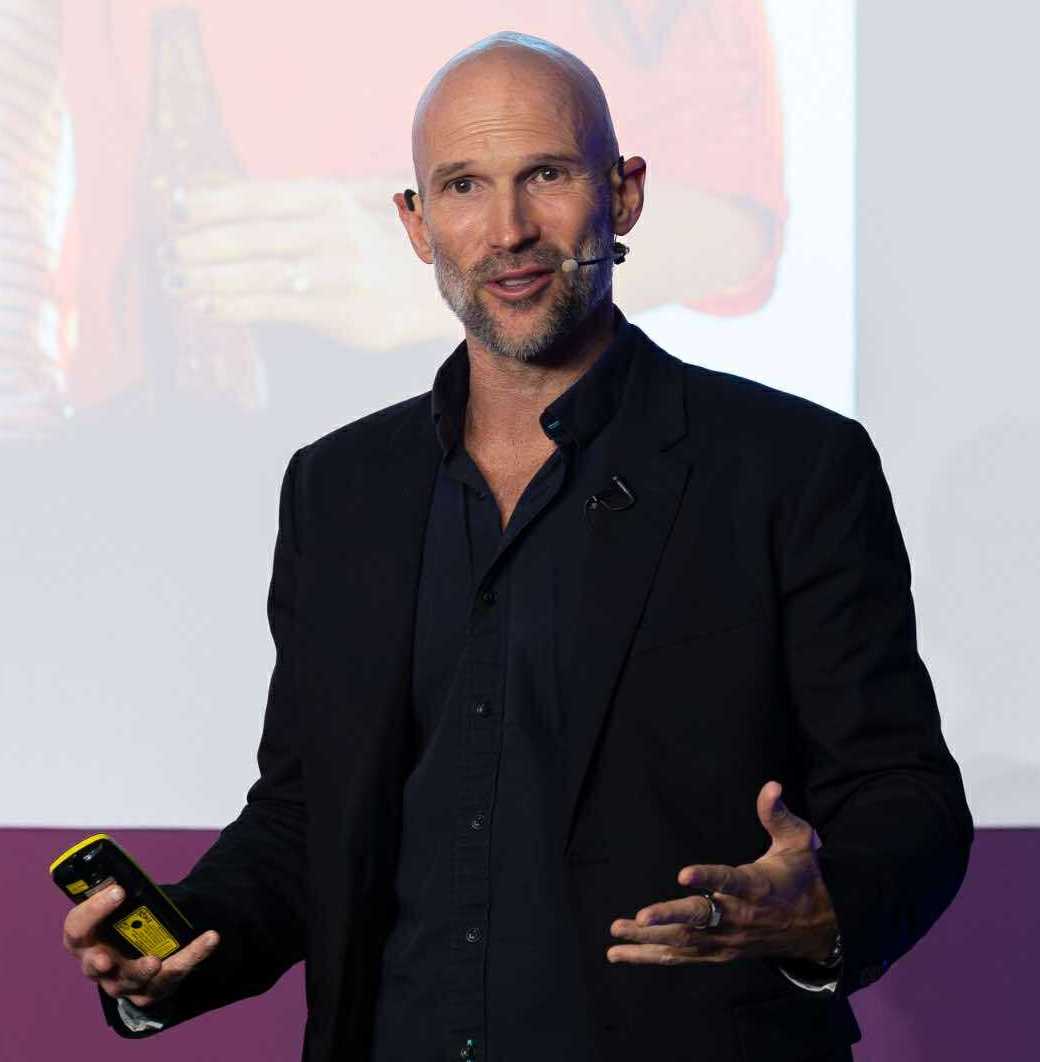
"More Than a Mocktail: A Fresh Approach on a Timeless Tradition is an engaging resource for anyone exploring the alcohol-free lifestyle. This thought-provoking and creative guide illustrates how living the alcohol-free lifestyle is anything but boring. Anyone wanting to elevate their alcohol-free life will find a true companion here."
— James Swanwick
Founder and CEO of
Alcohol-Free Lifestyle™
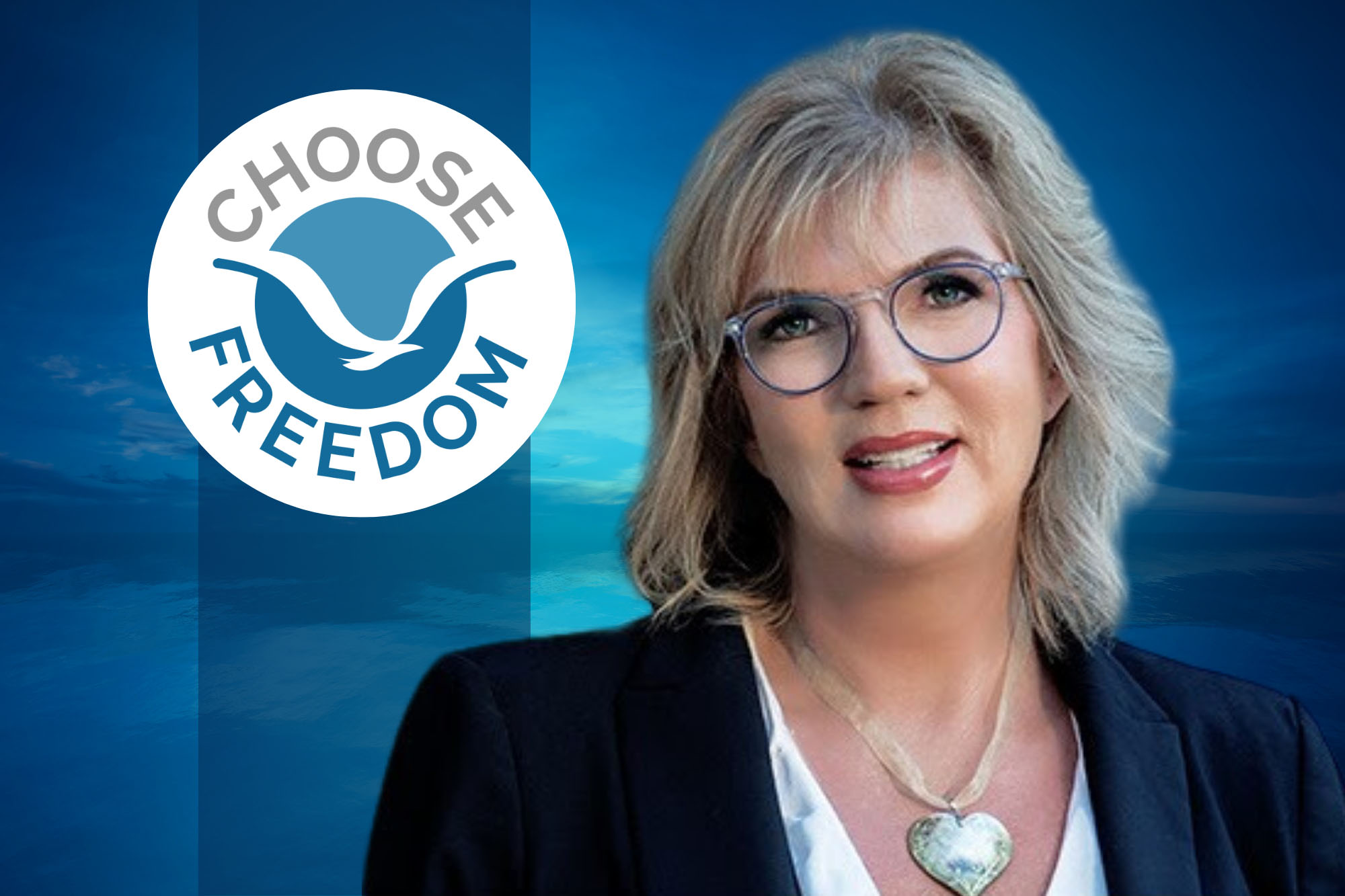
"Layne Whitley’s book More Than a Mocktail: A Fresh Approach on a Timeless Tradition offers soulful encouragement alongside practical tools for building a purposeful, alcohol-free life. This is not about restriction; it is about elevation and intention. By focusing on ritual, presence, and flavor, she reminds us that what we practice daily shapes the life we experience."
— Rose Ann Forte
International Best Selling and Award-Winning Author and Creator of the Choose Freedom® Program

"More Than a Mocktail: A Fresh Approach on a Timeless Tradition is not just a set of recipes. It’s an engaging roadmap for anyone ready to take the next step in their alcohol-free journey. Layne shows what becomes possible when intention, self-care, and mindset align. A refreshing and inspiring read."
—Kevin Schouweiller
Founder and CEO of Rubicon 100™
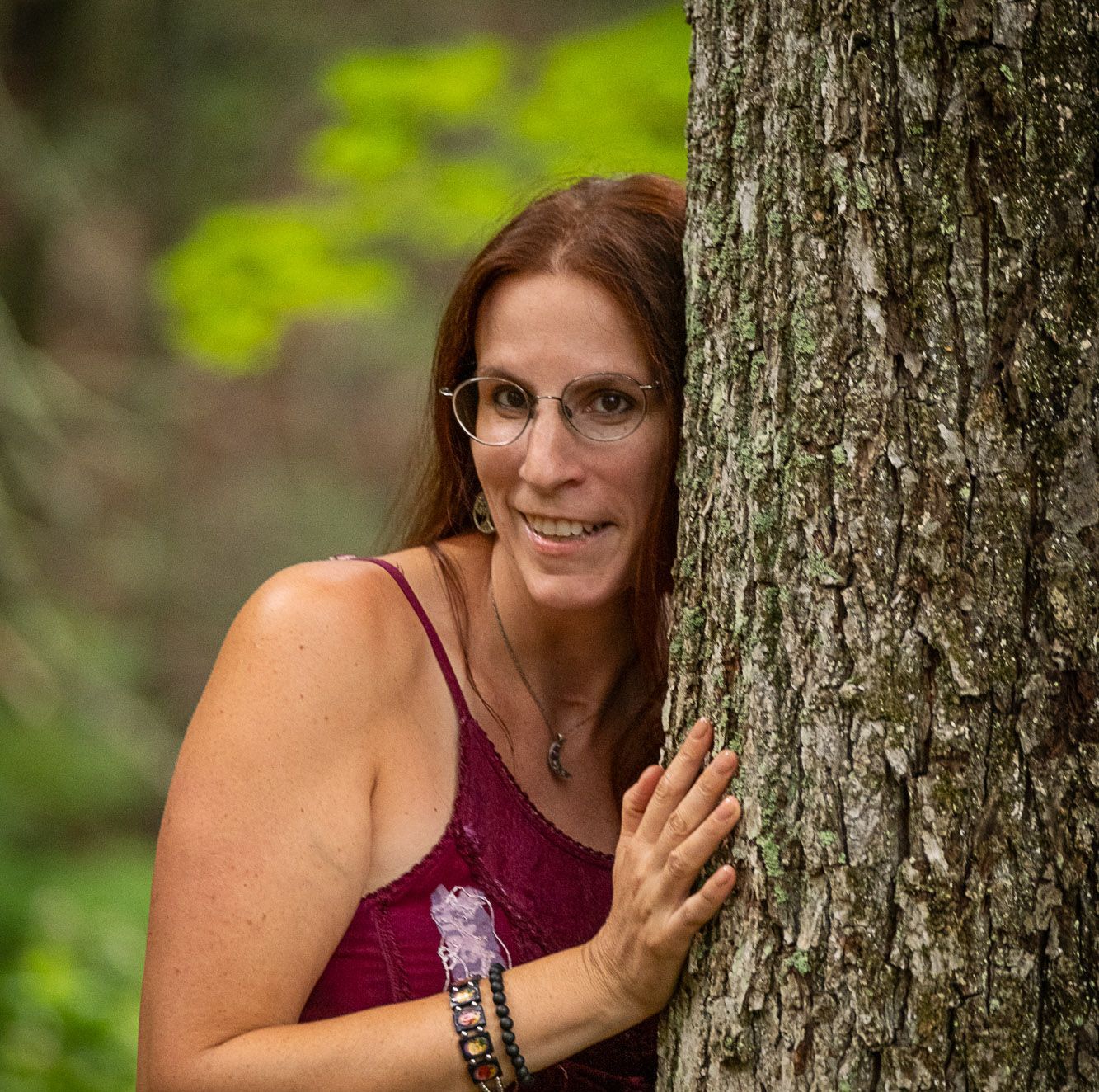
"As an herbalist, I appreciate Layne’s understanding of flavor, plants, wellness, and ritual. Her adventurous book invites readers to nourish mind, body, and spirit while celebrating an alcohol-free lifestyle. Layne's guide is full of interesting, compassionate, practical, and encouraging wisdom."
— Amelia South
Author of Think Like An Herbalist

How this book will upgrade your mind
Three transformations emerge after reading this book...
1. YOU WILL ELEVATE YOUR ALCOHOL-FREE LIFESTYLE (WITHOUT THE FOMO)
Discover how to create drinks, rituals, and experiences that feel authentically better than anything you left behind. This isn’t about replacing our old cocktails -- it’s about entirely elevating your alcohol-free experience.
You’ll learn how to craft healthy and timeless beverages so you can find intentional ways to unwind at the end of the day, host friends and gatherings, or celebrate something meaningful.
This book invites you into a deeper understand of alcohol-free beverages from the ages and our connection to our natural world to offer a more connected way of living. This is where what’s in your glass becomes a source of creativity, ritual, and well-being.
The result? A quiet confidence that you’re not missing out… you’re actually experiencing more.
2. YOU WILL DEVELOP A DEEPER CONNECTION TO HISTORY, NATURE, AND PERSONAL WELL-BEING
Step into a world where beverages are more than just something to sip… they are rooted in story, tradition, and purpose.
Through herbal wisdom, ancestral recipes, and time-honored drink-making practices, you’ll rediscover how people have long used plants, spices, and simple ingredients to nourish the body and calm the mind. From old-world tonics to seasonal infusions, you’ll begin to see your drinks as part of a larger rhythm that is connected to the earth, the seasons, and your own well-being.
This deeper connection brings a sense of grounding and meaning to everyday life. What once felt ordinary becomes intentional. What once felt routine becomes restorative.
3. YOU WILL GAIN PRACTICAL SKILLS FOR CRAFTING CREATIVE AF DRINKS
Gain simple, approachable skills that allow you to create drinks that feel special without needing complicated tools or hard-to-find ingredients.
You’ll learn how to build flavor, balance sweetness, use herbs and botanicals, and develop your own signature creations. With easy-to-follow recipes and flexible frameworks, you’ll be able to craft beverages that suit your mood, your setting, and your personal style.
Whether you’re enjoying a quiet evening alone or hosting a gathering, you’ll have the tools to create drinks that spark conversation, elevate the experience, and leave a lasting impression.
Over time, you won’t just be making drinks. You’ll become known as someone who brings a sense of occasion to every moment and something creative to talk about… the kind of person others are naturally drawn to, with or without alcohol.
About the Book
Why I'm Giving The
Book Away at Cost...
I’m offering this book at exactly what it costs to print, fulfill, and ship—nothing more. That means I’m not making a profit from your order.
Why?
Because I know what it feels like to want more from your alcohol-free lifestyle… more excitement, more creativity, more confidence, more health, more adventure—and not know where to begin.
So many people move on from alcohol only to find themselves stuck in the “now what?” stage. And I don’t want you to stay there.
I don’t want you to waste another moment feeling that way. Your life can be full of flavor, intention, creativity, and possibility.
Before I became an alcohol-free lifestyle coach, I had to figure this out for myself. And what I discovered changed everything.
That’s why I wrote More Than a Mocktail: A Fresh Approach on a Timeless Tradition—to give you a clear, simple, and creative starting point. A guide to help you bring joy, adventure, and flavor into this chapter of your life… without overwhelm or complication.
My mission is simple: to get this book into as many hands as possible. I hope one of them is yours.
And, yes... there’s a second reason I’m offering it at cost. Once you experience how meaningful, delicious, and uplifting an alcohol-free lifestyle can be, you may feel called to explore the other books, resources, and programs I’ve created.
That’s it.
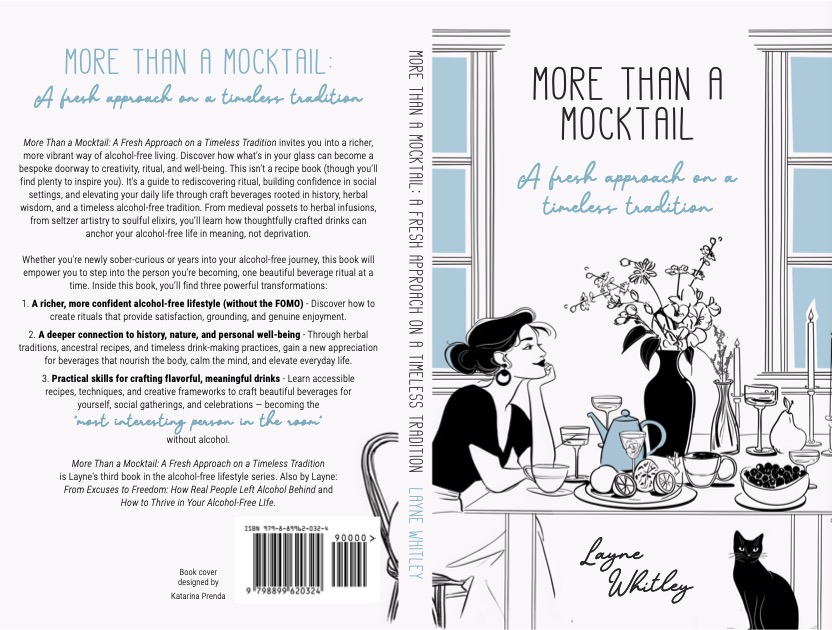
This book invites you into a richer, more vibrant way of living. It shows you how what’s in your glass can become a doorway to creativity, ritual, and well-being.
This isn’t just a recipe book (though you’ll find plenty of inspiration). It’s a guide to rediscovering ritual, building confidence in social settings, and elevating your daily life through beverages rooted in history, herbal wisdom, and timeless tradition.
From medieval possets to herbal infusions, from seltzer artistry to soulful elixirs, you’ll discover how thoughtfully crafted drinks can anchor your alcohol-free life in meaning—not deprivation.
Whether you’re newly exploring this path or have been living alcohol-free for years, this book will support you in stepping into who you’re becoming... one beautiful beverage ritual at a time.
I truly can’t wait for you to experience it.
Frequently Asked Questions
Your most asked questions...
How long will it take for the book to arrive?
Your book will be packaged up beautifully, and sent from Taylor, Michigan, USA.
For U.S. customers, you can expect the book to arrive in 7-15 business days (could be a lot sooner).
For International, you can expect the book to arrive in 10-22 business days (could be a lot sooner).
You will receive a tracking number via email immediately after your order.
If you have any questions, don't hesitate to contact support (listed at the footer of this page).
Do you offer refunds?
Yes. I believe in this book so much that if you're unsatisfied (for any reason), you can send the book back within one-year, and get a 100% refund. No questions asked. Just contact me via the support details at the footer of this page. I'll share the return address, and refund every penny.
If you're not happy, we're not happy!
About The Author
Meet The Person Who Wants To Rapidly
Elevate Your Alcohol-Free Lifestyle
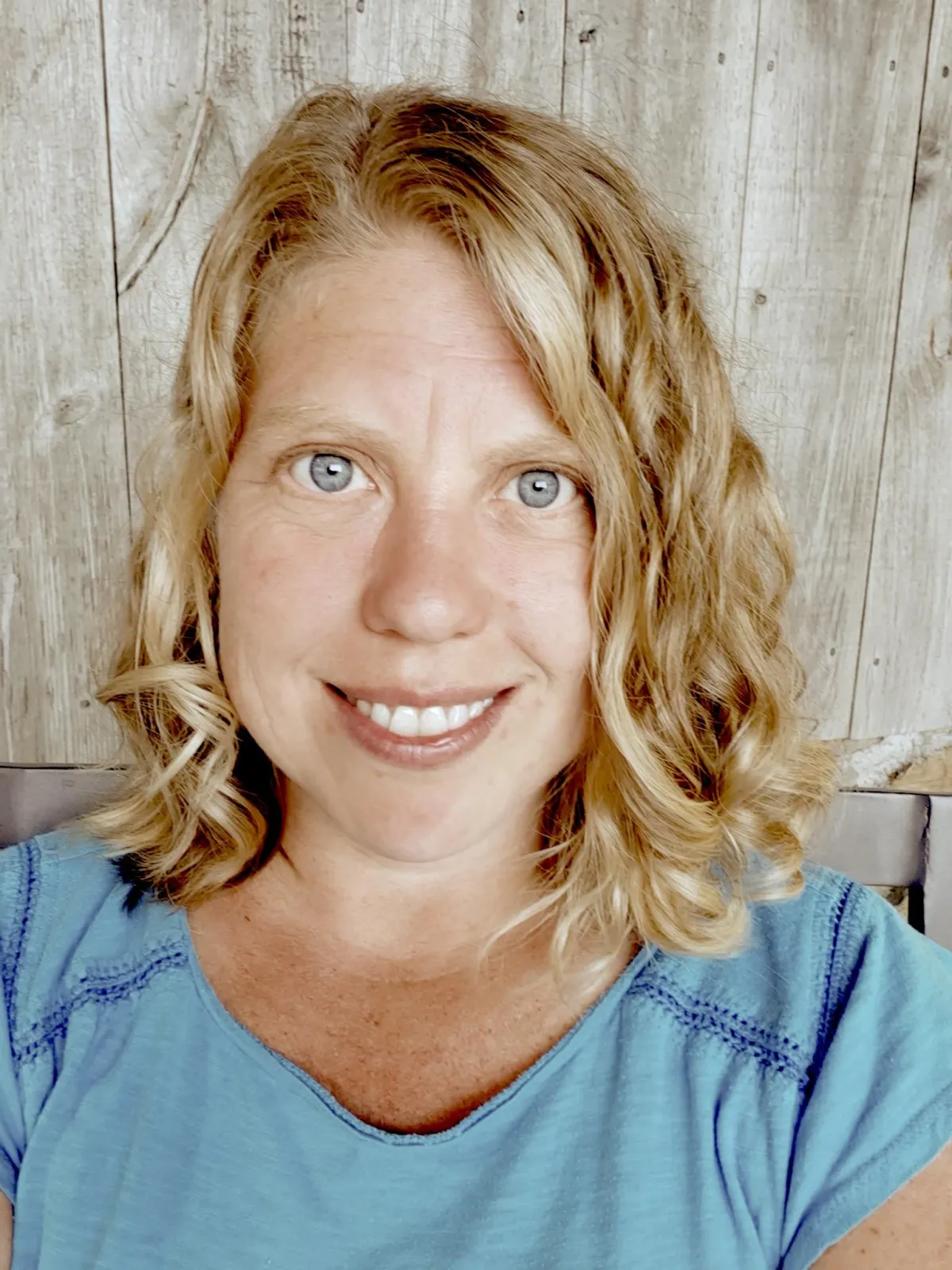
Layne Whitley
After years of coaching people through life’s toughest transitions, Layne turned her own alcohol-free journey into a mission to help others create meaningful, goal-oriented, and purpose-driven lives. She’s the author of From Excuses to Freedom: How Real People Left Alcohol Behind and How to Thrive in Your Alcohol-Free Life—a transformative 137-page book designed to deepen and elevate the alcohol-free lifestyle.
As a certified Positive Intelligence™ and Choose Freedom™ Coach with over 15 years of experience, Layne blends mindset mastery with real-world strategies that help men and women rediscover confidence, purpose, and joy without alcohol. Through her writing, workshops, and retreats, she’s redefining what it means to live free—one meaningful, goal-oriented, and purpose-driven life at a time.
Her mission is simple: to help you rise beyond “just not drinking” and design a life that feels deeply authentic, empowered, and alive.
Layne's Bold Guarantee
I’m so confident that More Than a Mocktail: A Fresh Approach on a Timeless Tradition will help you feel more confident, inspired, and clear about your next chapter that—if you’re unsatisfied for any reason—you can return the book within one year and receive a 100% refund.
No questions asked.
Simply contact me using the support details below, and I’ll share the return address. Once your book is received, I’ll personally make sure you’re refunded every penny—including the cost of shipping and materials.
How’s that for fair?
My mission is to help men and women discover adventure and elevation in every area of their alcohol-free lives. Together, we design AF lifestyles rooted in confidence, purpose, and freedom—creating meaningful, goal-oriented, and deeply fulfilling lives we truly love.


Terms of Service |||||||||||||||||| Privacy Policy
Terms of Service
Privacy Policy