

Discover the 10,000-year history of barley water—from Hippocrates' ancient remedy to a Victorian household staple—and learn how to make this refreshing, alcohol-free drink at home with a simple traditional recipe and seasonal variations. Perfect for readers curious about historical beverages, sustainable cooking, or looking for a nourishing alternative to modern soft drinks.
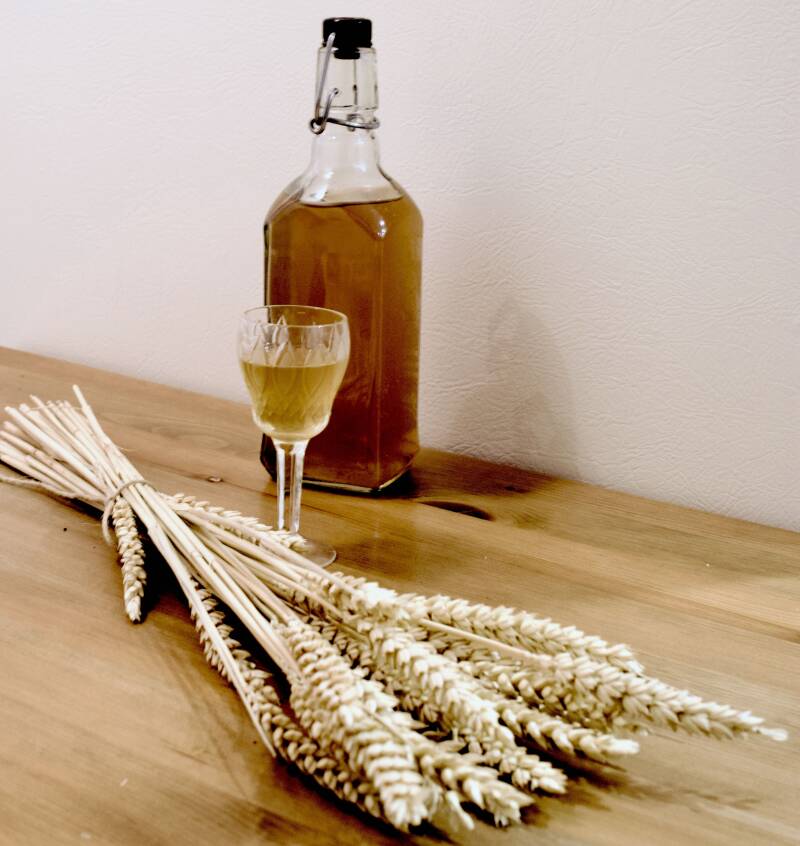
Why I Fell in Love with Barley Water
I wonder if you have ever heard of barley water? I know I didn’t. I stumbled on this beverage once at a retreat about twenty years ago in Northern California. I honestly had no idea barley water could taste so refreshing and satisfying. As I sat in the hot sun, surrounded by olives and fruit growing around the deck, I learned that this simple beverage connected me to cultures stretching back more than 10,000 years (Zohary et al., 2012).
A Drink with 10,000 Years of History
Barley water has been a true family staple -- since very ancient times. This simple drink has been carried with humanity for thousands of years. This beverage belongs to many cultures across the globe, crossing continents and generations. Long before commercial beverages filled grocery store shelves, barley water offered nourishment, refreshment, comfort, and satisfying flavor using ingredients that were readily available to ordinary families.
Barley itself has been cultivated for more than 10,000 years, making it one of the oldest domesticated grains in human history (Zohary et al., 2012). Because it grew well in a variety of climates and soils, barley became a dependable crop for communities throughout the ancient world. Bread and porridge became staples, but barley as a beverage could be enjoyed throughout the year, both hot or cold. Recipes likely vary by region, but the simplicity of barley water remains the same, as well as the benefits of both nourishment and refreshment.
Barley Water in the Ancient World
As civilizations developed, barley water found a place in everyday life. In my book, More Than a Mocktail: A Fresh Approach on a Timeless Tradition, I share how the ancient Greek physician Hippocrates recommended barley preparations because they were considered gentle and restorative (Whitley, 2026). Hippocrates wrote extensively about ptisan, his name for a simple barley preparation, praising its nourishing and restorative qualities. In the Hippocratic Corpus, ptisan was considered one of the most valuable foods and drinks for the sick (Hippocrates, ca. 400 B.C./1923).
Roman writers such as Pliny the Elder documented barley's importance in agriculture, medicine, and daily living, reflecting its status as one of the most valued grains of the ancient world (Pliny the Elder, ca. A.D. 77–79/1938–1963). Across Europe, the Middle East, and parts of Asia, barley continued to appear in both kitchens and gardens. Beverages were likely adapted according to local traditions and agriculture while remaining foundationally familiar from one generation to the next.
Barley Water in the Home
By the eighteenth and nineteenth centuries, barley water had become a common household favorite in North America and Britain. Domestic guides written by authors such as Catharine Beecher and Isabella Beeton included recipes for barley water alongside soups, breads, preserves, and other everyday staples (see resources below). It was Miss Beecher’s guide that inspired me to write my More Than a Mocktail book when I was looking for inspiration on how to craft more creative alcohol-free beverages. However, these books were far more than collections of recipes. They served as practical manuals for managing a home, feeding a family, and making thoughtful use of seasonal ingredients. The inclusion of barley water reminds us that it was considered an ordinary part of domestic life rather than a novelty or specialty drink.
Barley Water and the Temperance Movement
Barley water’s popularity during the nineteenth century also reflects broader cultural changes. As the temperance movement encouraged families to seek wholesome alternatives to alcoholic beverages, many households turned to homemade drinks prepared from fruits, grains, herbs, and spices. Lemonades, fruit shrubs, herbal infusions, ginger drinks, and barley water all offered satisfying options that emphasized hospitality rather than intoxication. These beverages demonstrated that sharing a refreshing drink with friends and neighbors did not require alcohol to feel welcoming or celebratory.
Why Barley Water Endured
Another reason barley water endured for so many centuries was its practicality. Earlier generations rarely wasted food, and barley fit naturally into that philosophy. After the liquid was strained, the cooked grain often found its way into soups, puddings, breads, or porridges. A single pot of simmering barley could provide more than one meal or beverage, reflecting the resourcefulness that characterized many historical kitchens. In an era when reducing food waste has once again become a priority, this practice feels surprisingly relevant.

Why Barley Water Deserves a Comeback
Although barley water gradually disappeared from many American tables during the twentieth century, it never vanished completely. In Britain, lemon barley water remained a familiar summer refreshment, eventually becoming available as a bottled beverage (in fact, this drink is available for purchase on Amazon as “Robinson’s Lemon Barley Water”). Elsewhere around the world, cultures continued to prepare drinks made from barley, whether simmered, roasted, or steeped, demonstrating the grain's enduring versatility. While flavors and techniques evolved, the tradition itself survived.
Today, as more people embrace alcohol-free living and rediscover homemade beverages, barley water offers something refreshingly different. It does not attempt to imitate wine, beer, or cocktails. Instead, it stands confidently on its own as a drink with deep historical roots and quiet elegance. It reminds us that some of the most meaningful recipes are not the most elaborate but the ones that have been passed from one kitchen to another for generations.
A Tradition Worth Remembering
Perhaps that is the greatest lesson barley water has to offer. History is not preserved only in museums or old books. Sometimes it lives in the simple rituals of preparing food, sharing a drink, and gathering around a table. By making a pitcher of barley water today, we participate in a tradition that stretches back thousands of years… a tradition that values hospitality, seasonal living, resourcefulness, and the simple pleasure of offering someone a refreshing glass made with care.
In a world constantly searching for the newest trend, barley water gently reminds us that some traditions are worth remembering not because they are fashionable, but because they have quietly nourished people for millenia.
Historical Barley Water Recipe (Adapted for the Modern Kitchen)
This recipe is inspired by the simple barley waters enjoyed throughout the eighteenth and restorative nineteenth centuries. While historical recipes varied from household to household, most relied on just a handful of ingredients and allowed the natural flavor of the barley to shine. Barley water will keep in the refrigerator for about three days and is best enjoyed well chilled.
Ingredients:
-
½ cup pearl barley (or hulled barley for a more traditional version)
-
6 cups water
-
1 organic lemon
-
1–2 tablespoons honey (optional, or to taste)
-
Fresh mint sprigs or ginger slices, for serving (optional)
Instructions:
-
Place the barley in a colander and rinse well under cool water.
-
Add the barley and water to a medium saucepan and bring to a gentle boil.
-
Reduce the heat and simmer for 45–60 minutes, or until the liquid has taken on a light golden color and the barley is tender.
-
Strain the liquid into a heat-safe pitcher or bowl. (Don't throw away the cooked barley; it can be added to soups, salads, or breakfast porridge.)
-
While the barley water is still warm, add several strips of lemon peel and allow them to steep for about 10 minutes. Remove the peel before storing.
-
Stir in fresh lemon juice and honey, if desired.
-
Chill thoroughly before serving. Pour over ice and garnish with fresh mint or an additional slice of lemon.
Seasonal Variations:
- Summer Garden: Add sliced cucumber and fresh mint.
- Berry Harvest: Muddle a few raspberries or strawberries into each glass.
- Herbal Garden: Steep a sprig of lemon balm or a small piece of rosemary while the drink cools.
- Autumn Orchard: Add a thin slice of fresh apple and a small cinnamon stick during chilling.
REFERENCES:
- Beecher, C. E. (1846). Miss Beecher's domestic receipt book: Designed as a supplement to her Treatise on Domestic Economy. Harper & Brothers.
- Beeton, I. (1861). The Book of Household Management. S. O. Beeton.
- Davidson, A. (Ed.). (2014). The Oxford companion to food (3rd ed.). Oxford University Press.
- Hippocrates. (1923). Regimen in acute diseases. In W. H. S. Jones (Trans.), Hippocrates (Vol. 2). Harvard University Press. (Original work written ca. 400 B.C.)
- Penn Museum. (n.d.). Gladiators: Heroes of the Colosseum. University of Pennsylvania Museum. https://www.penn.museum/sites/gladiator
- Pliny the Elder. (1950). Natural history (Vol. 5, Books 17–19; H. Rackham, Trans.). Harvard University Press. (Original work published ca. A.D. 77–79)
- The London Archives. (2023). Lemon barley water: Tastes from the lost Victorian city.
- Zohary, D., Hopf, M., & Weiss, E. (2012). Domestication of plants in the Old World: The origin and spread of domesticated plants in Southwest Asia, Europe, and the Mediterranean Basin (4th ed.). Oxford University Press.