

How to pair fruits and herbs like a pro. This guide walks through flavorful mocktail and alcohol-free drink combinations, complete with four easy recipes to practice. Perfect for anyone who wants to move beyond recipes and start creating their own signature refreshing beverages using fresh, seasonal ingredients.
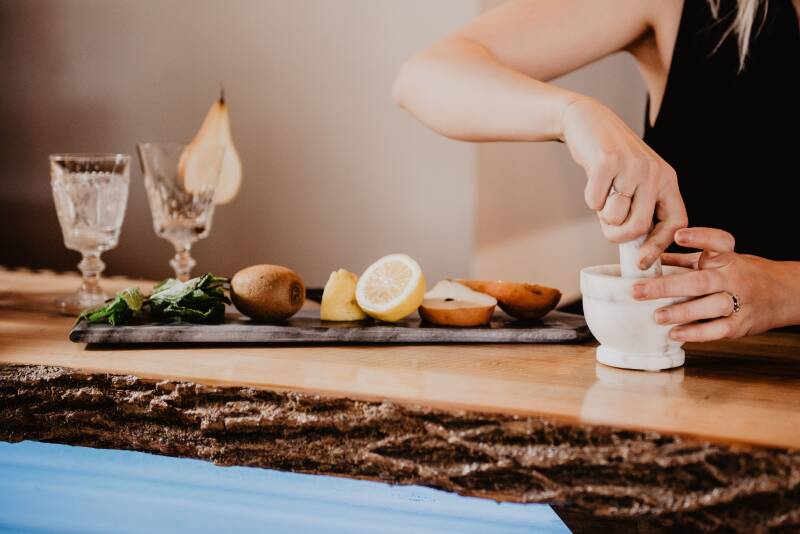
One of the things I enjoy most about creating alcohol-free drinks isn't following recipes; it's discovering how different fruits and herbs work together.
It's amazing how one simple change can completely transform a beverage. Add a sprig of rosemary to peaches, and suddenly the drink feels earthy and elegant. Swap the rosemary for basil, and the very same peaches become bright, fresh, and perfect for a summer picnic. Use lavender instead, and you've created something soft, floral, and almost old-fashioned.
That's part of the magic.
The fruit may provide the foundation, but the herbs often give a drink its personality.
Whether you're making a mocktail, sparkling fruit water, homemade lemonade, iced tea, a shrub, or another homemade alcohol-free drink, learning how to pair fruits and herbs is one of the easiest ways to create richer, more interesting flavors.
The more I experiment, the more I realize that creating delicious homemade drinks isn't about memorizing recipes. It's about understanding how fresh ingredients naturally complement one another. Fortunately, nature has already done much of the work for us.
Why Fruit and Herb Pairings Matter
Fresh fruit brings sweetness, brightness, tartness, or richness to a drink. Herbs contribute something entirely different. They add freshness, depth, aroma, and complexity.
Think about a peach. By itself, it's sweet and juicy. Now imagine adding basil. This small change can add a lively and cheerful element to your summer mocktail. Replace the basil with rosemary, and it becomes earthy and sophisticated. Add lemon balm instead, and the citrus aroma brightens every sip.
Even though the fruit never changed, the entire personality of the beverage did.
That's why learning to pair fruits and herbs is one of the most valuable skills you can develop when creating homemade mocktails and other alcohol-free drinks. Instead of relying on recipes forever, you'll begin recognizing combinations that naturally belong together.
Start with the Fruit
Whenever I begin creating a new beverage, I almost always choose the fruit first. A few questions I ask myself: Is it sweet? Bright? Rich? Juicy? Tart?
The fruit establishes the direction for everything that follows. A ripe peach creates an entirely different experience than tart raspberries, crisp cucumber, juicy watermelon, or sweet cherries. Each fruit brings its own personality to the glass.
Once I understand the fruit's character, choosing herbs becomes much easier. Rather than asking, "Which herb should I use?" I ask, "What herb would enhance the flavor of this fruit and create the mood I am looking for?"
That simple question has led me to some of my favorite combinations.
The Best Herbs for Homemade Mocktails and Fruit Drinks
Herbs don't simply add flavor. They also create a mood. Over the years I've noticed that certain herbs almost seem to have personalities of their own. Here are a few combinations to explore:
- BASIL - Full of summer, basil tends to yield a bright and cheerful nature. Basil reminds me of backyard dinners, farmers' markets, and warm evenings shared with family and friends. This lush herb pairs beautifully with peaches, strawberries, watermelon, tomatoes, and citrus.
- ROSEMARY - Rosemary has an earthy, elegant, and quiet tone. Rosemary can add depth without overwhelming fruit. Just a small sprig can transform an everyday drink into something that feels surprisingly sophisticated. It works especially well with peaches, cherries, blood oranges, pears, and grapes.
- LEMON BALM - Fresh, light, and uplifting, lemon balm has become one of my favorite herbs for homemade drinks because it gently brightens almost everything it touches. Its subtle citrus aroma complements peaches, blueberries, cucumbers, apples, and berries without overpowering them.
- MINT - As you likely know, mint is cool, crisp, and refreshing. Mint might be one of the most well-known herbs throughout history, and it has an incredible ability to lighten rich fruits while adding an unmistakable freshness. It's one of the easiest herbs to grow and one of the most versatile ingredients for summer mocktails, sparkling waters, and fruit-infused beverages.
- THYME - Thyme tends to be more of an understated flavor. Thyme doesn't announce itself the way mint or rosemary does. Instead, it quietly adds depth that makes people wonder why the drink tastes so balanced. I especially enjoy pairing it with strawberries, pears, apples, and lemons.
- LAVENDER - Lavender is gentle and floral. Some really gravitate to its flavor while others find it reminds them too much of soap! In my beverage crafting experience, a little lavender goes a long way. Used carefully, it creates drinks that feel elegant, relaxing, and timeless. I especially enjoy it with peaches, blueberries, lemons, and honey.
Thinking about herbs this way has completely changed how I create beverages. Instead of searching for recipes, I begin thinking about the feeling I want the drink to create.
How to Pair Fruits and Herbs Successfully
One of the reasons pairing fruits and herbs is so enjoyable is that each ingredient contributes something different. A fruit's color, water content, and acidity all offer clues about which herbs will bring out its best qualities. Think about it like adding balance to your drink, the same way you might add salt to bring out flavor in food.
If your fruit is very sweet and not tart (like a ripe peach or a sweet cherry), try adding an herb that tastes fresh and a little like citrus, such as lemon balm. This helps "wake up" the fruit's flavor so the drink doesn't taste flat or one-note. If your fruit is tart or sour (like a raspberry or a tart apple), try a softer, gentler herb, such as lavender or lemon balm. These herbs won't fight with the tartness. Instead, they smooth it out and make the drink taste more balanced.
The more you practice, the easier this gets. Over time, you'll start to look at a fruit and just know which herb will taste good with it. A dark, juicy fruit might make you think of a cooling herb like mint. A light, pale fruit might make you think of a bright herb like basil. Once you start noticing these patterns, making your own alcohol-free drinks becomes really fun.
Four Fruit and Herb Pairings to Try
If you're new to pairing fruits and herbs, don't overthink it. Begin with one fruit and one herb, taste as you go, and allow the ingredients to guide you. The following combinations are some of my favorites because they showcase how a simple change in herbs can completely transform the personality of a drink. Feel free to use these ideas in sparkling water, lemonade, iced tea, shrubs, or your favorite alcohol-free beverages.
Peach Basil Sparkler
This combination reminds me of a warm July evening spent outside with family and friends. The peaches provide natural sweetness, while fresh basil adds a bright, almost peppery freshness that keeps the drink from becoming overly sweet. It's one of my favorite drinks to serve at backyard cookouts, picnics, or while relaxing on the porch after a long day.
Ingredients:
- ½ ripe peach, sliced
- 4–5 fresh basil leaves
- 2 teaspoons honey (optional)
- Sparkling water
- Ice
Directions:
- Gently muddle the peach slices and basil leaves in the bottom of a serving glass.
- Add the honey, if desired, then fill the glass with ice.
- Top with sparkling water and stir gently.
- Garnish with a fresh basil leaf and a slice of peach.
Blackberry Mint Cooler
Blackberries have a rich, almost jam-like flavor that becomes wonderfully refreshing when paired with fresh mint. The cooling finish keeps the drink from feeling heavy, making it one of my favorite garden-inspired beverages on hot summer afternoons.
Ingredients:
- ½ cup fresh blackberries
- 6 fresh mint leaves
- Sparkling mineral water
- Ice
- Fresh blackberries and mint sprig for garnish
Directions:
- Lightly muddle the blackberries and mint together in a serving glass.
- Fill with ice and top with sparkling mineral water.
- Stir gently before garnishing with additional berries and a fresh sprig of mint.
Strawberry Thyme Refresher
Thyme isn't usually the first herb people think of for fruit drinks, but that's part of what makes this combination so memorable. Rather than overpowering the strawberries, thyme quietly adds depth and balance, creating a beverage that feels both familiar and surprisingly sophisticated.
Ingredients:
- 4–5 fresh strawberries, sliced
- 2 small sprigs fresh thyme
- Sparkling water
- Ice
- Thin slice of lemon (optional)
Directions:
- Muddle the strawberries with one sprig of thyme in the bottom of a glass.
- Fill with ice and sparkling water, then stir gently.
- Garnish with the remaining thyme sprig and, if desired, a slice of lemon.
Cucumber Lemon Balm Garden Refresher
Few combinations taste as refreshing on a warm summer afternoon as cucumber and lemon balm. Lemon balm contributes a gentle citrus aroma that brightens the cucumber without overpowering it. The result is crisp, clean, and wonderfully cooling after spending time outdoors.
Ingredients:
- 6 thin cucumber slices
- 5–6 fresh lemon balm leaves
- Sparkling water
- Ice
- Lemon wheel and lemon balm sprig for garnish
Directions:
- Lightly muddle the cucumber slices and lemon balm leaves in a tall serving glass.
- Fill with ice and top with sparkling water.
- Stir gently before garnishing with another cucumber slice, a lemon wheel, and a sprig of fresh lemon balm.
Create Your Own Signature Mocktail
One of the greatest joys of pairing fruits and herbs is discovering that there are no limits to what you can create. As you experiment with seasonal fruit, fresh herbs, and homemade alcohol-free drinks, you'll begin developing combinations that reflect your own tastes and the flavors of each season.
Don't be afraid to experiment. Some of my favorite mocktails and fruit drinks happened simply because I stepped into the garden, gathered whatever herbs were thriving that day, and paired them with the fruit on my kitchen counter.
You may be surprised by what you discover.
Your next favorite drink, or even your signature recipe, might be just one fresh herb away.
Continue Exploring
Ready to put these ideas into practice? One of my favorite ways to use fresh fruit and herbs is by making homemade drinking vinegars, also known as shrubs. If you'd like to learn more, be sure to read my companion article, The Art of Shrub Making: A Beginner's Guide to Homemade Fruit Drinking Vinegars, where I share the history of shrubs, step-by-step instructions, and one of my favorite recipes.