

Discover the sacred history of tulsi (Holy Basil) — a clove-and-pepper-spiced herb central to Ayurvedic tradition and Indian spiritual life — and learn how to transform it into grounding, ritual-inspired alcohol-free mocktails paired with berries, ginger, or tropical fruit.
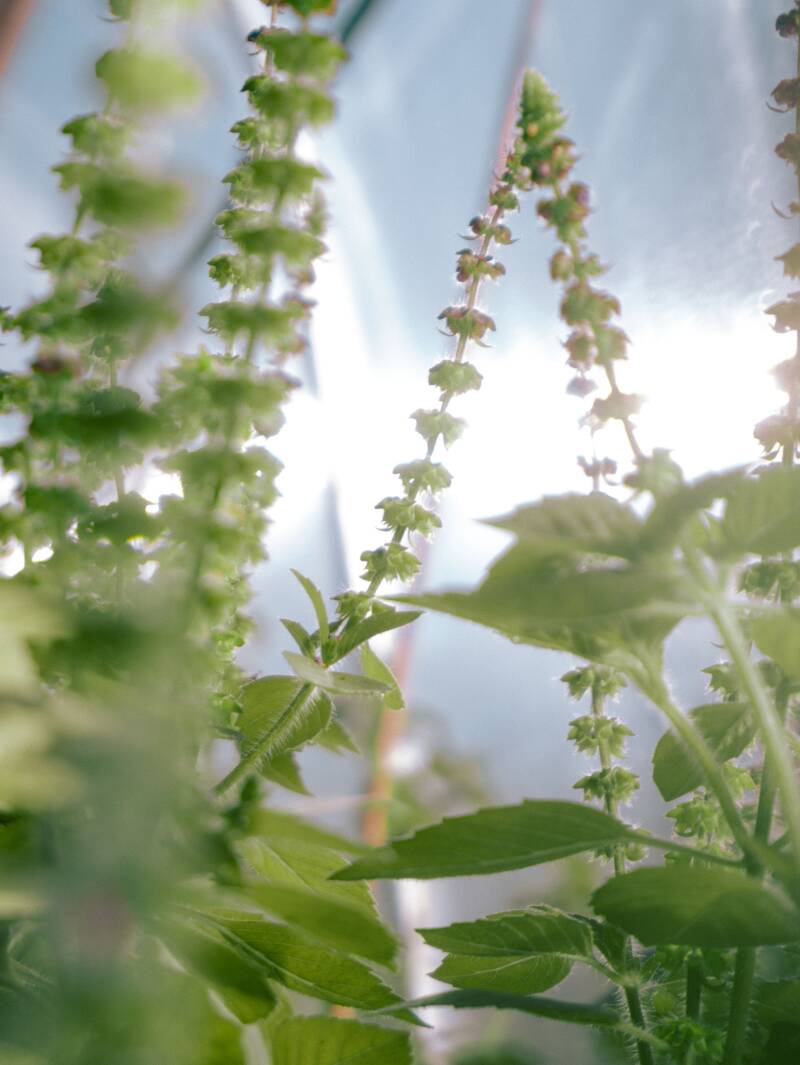
Tulsi, often called Holy Basil, carries a very different story. While many herbs were grown primarily for cooking or medicine, tulsi became woven into daily spiritual life throughout India. Families kept Holy Basil near their homes, planting this herb in their courtyards and gardens. “It has long been a sacred plant in India, prized for its myriad medicinal uses and calming, uplifting nature.” 1
Traditionally used in Ayurvedic medicine, tulsi is valued for its ability to support the body's response to stress and has been studied for its potential to promote emotional well-being, including helping to reduce symptoms of anxiety and depression.2 Based on tulsi’s historic reputation, this herb represents connection, devotion, and presence. In a world that often rushes us from one thing to the next, I find that idea refreshing. Sometimes a drink is not simply about quenching thirst. Sometimes it becomes a small ritual that reminds us to pause. Tulsi tea has been doing exactly that for generations.
Unlike sweet basil, tulsi offers flavors that remind me of clove, spice, and pepper. Modern alcohol-free drink makers often pair it with berries, citrus, and honey. What makes tulsi particularly interesting in the world of alcohol-free beverages is that it bridges two traditions at once: herbal medicine and daily ritual. Many people historically drank tulsi not merely for flavor, but as a grounding practice woven into everyday life.
Citations:
- Blankespoor, J. (2022). The healing garden: Cultivating and handcrafting herbal remedies. Mariner Books.
- Cohen, M. M. (2014). Tulsi—Ocimum sanctum: A herb for all reasons. Journal of Ayurveda and Integrative Medicine, 5(4), 251–259. https://doi.org/10.4103/0975-9476.146554
Tulsi Mocktail Suggestions
Use Tulsi as the Base Tea: Instead of building a mocktail around juice, start with a strong tulsi infusion. Its flavor adds depth while allowing other ingredients to play a supporting role.
Pair Tulsi with Summer Berries: Tulsi's hints of clove and spice balance the sweetness of strawberries, blueberries, blackberries, and raspberries. This combination makes a refreshing drink that is visually bright and flavorful.
Combine Tulsi with Ginger: Fresh ginger enhances tulsi's warming qualities. As a mocktail, this pairing works especially well with lime and sparkling water.
Add Tulsi to Tropical Fruits: Pineapple, mango, passionfruit, and coconut water complement tulsi's unique flavor well.
Use Tulsi as an Aromatic Garnish: A fresh sprig of tulsi can elevate a drink. As the leaves release their fragrance, they add an extra sensory layer to lemonades, sparkling waters, and fruit-based mocktails.
____________________________________________________________________