

Long before the Boston Tea Party, one bright red garden flower quietly became America's tea of independence — and most of us have never even tasted it. In "America's Forgotten Tea: Bee Balm," uncover the fascinating story of Oswego Tea, a fragrant, Earl Grey-like brew rooted in Indigenous tradition and revived by colonists when British tea was scarce. With simple brewing instructions for both hot and iced versions, this article invites you to rediscover a piece of American history hiding in plain sight — one warm, citrusy cup at a time.
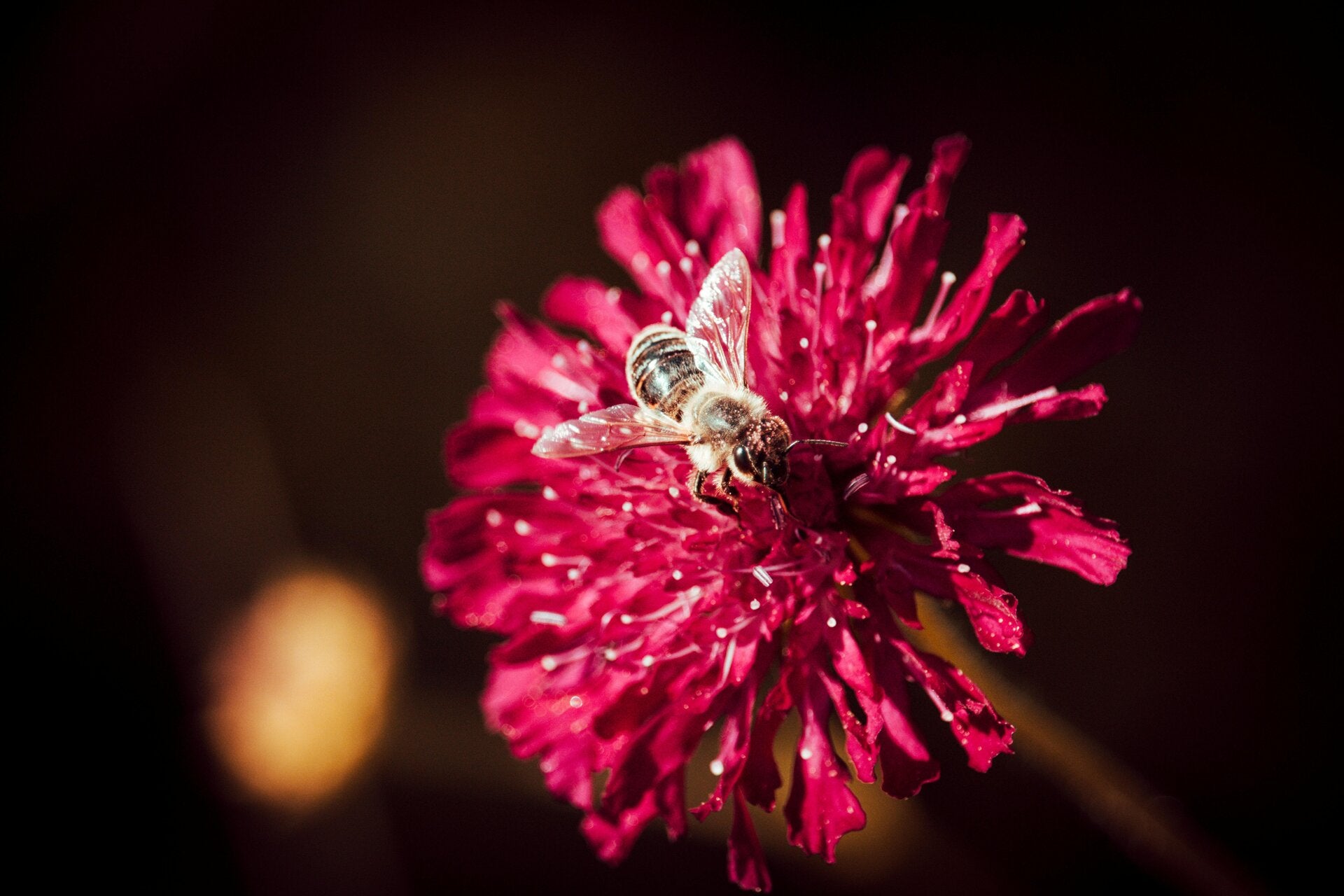
Of all the herbs on the extensive Lamiaceae (Mint) Framily list, bee balm may have the most interesting American story.
Native to eastern North America, bee balm was used by Indigenous peoples long before European settlement and later became known as Oswego Tea after colonists learned to brew it as a beverage. During the years surrounding the American Revolution, when imported tea became difficult or undesirable to obtain, many Americans turned to bee balm as an alternative to imported British tea, making it one of the few herbs deeply connected to both Indigenous traditions and early American beverage history. As the U.S. Forest Service notes, bee balm became "a popular substitute for black tea after the Boston Tea Party.”1
For such an early American tradition, what surprises me most is that many Americans have never tasted it. I had never heard of it for most of my life, but now I have it growing in my garden so I can regularly have this fresh infusion. I also love having this in the garden because its bright red flowers attract pollinators (I mean, its name is bee balm after all!). There is a hint of spice to this fragrant drink that is truly delicious. A relative of wild bergamot, bee balm’s flavor also carries hints that remind many people of Earl Grey tea.
If there is a forgotten summer drink herb waiting for a comeback, bee balm might be it.
How To Brew Traditional Oswego Tea
Long before colonists called it Oswego Tea, Indigenous peoples brewed bee balm as an herbal beverage. European settlers later learned from Native communities and adopted it as a local tea, especially during the colonial period.
To make a cup of fresh bee balm tea, place 2–3 tablespoons of fresh bee balm leaves and flowers (about ¼ cup loosely packed) into a teapot or heat-safe mug. Pour 1 cup of freshly boiled water over the herbs, cover, and allow them to steep for 10–15 minutes. Strain and enjoy warm, or chill and serve over ice. If using dried bee balm, use 1–2 teaspoons per cup of hot water and steep in the same manner.
For a larger batch of iced tea, combine 1–1½ cups of fresh bee balm leaves and flowers (or ⅓–½ cup dried bee balm) with 6 cups of freshly boiled water. Cover and steep for 20–30 minutes, then strain and allow the tea to cool. Refrigerate until chilled and serve over ice. Bee balm's flavor is often described as citrusy, lightly minty, and reminiscent of bergamot, the distinctive flavor found in Earl Grey tea. For an extra touch of summer, garnish with lemon slices, orange slices, or a few fresh bee balm blossoms.
Footnotes:
-
U.S. Forest Service. (n.d.). Scarlet bee balm (Monarda didyma). U.S. Department of Agriculture. https://www.fs.usda.gov/wildflowers/plant-of-the-week/monarda_didyma.shtm
________________________________________________