

Basil has been called the "royal herb," linked to sacred crosses, and carried across continents for thousands of years — long before it ever landed on a pizza. In "Basil: More Than a Kitchen Herb," discover the surprising sacred and cultural history behind this everyday plant, from ancient Greece to Christian tradition, and learn how its bright, fresh flavor makes the perfect base for a refreshing Summer Strawberry Basil Spritz. This article invites you to see a familiar herb in an entirely new light — and taste its rich history in every sip.
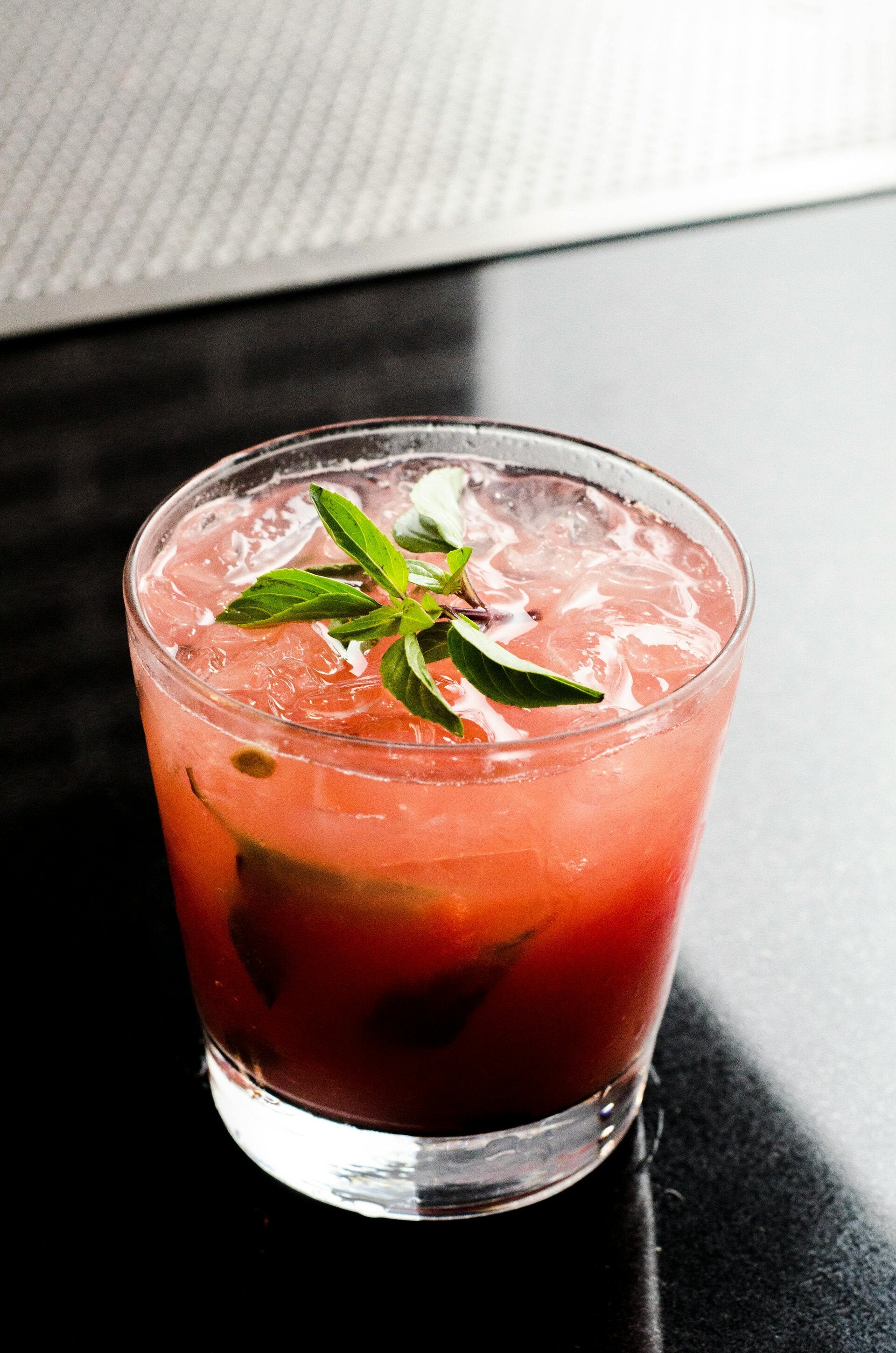
When most people think of basil, they picture pasta sauce simmering on the stove, a fresh caprese salad, or a slice of pizza topped with fragrant green leaves. For many of us, basil is simply a beloved culinary herb. Yet its story stretches far beyond the kitchen.
While tulsi (holy basil) is sacred to Indian culture, the basil most are familiar with (Ocimum basilicum) has connections to Christianity. According to a longstanding Christian tradition, basil was found growing at the site where Saint Helena discovered the True Cross in the fourth century. Because of this association, basil became connected with the Feast of the Exaltation of the Holy Cross and is sometimes used in Orthodox blessings of holy water.1
Basil has been cultivated for thousands of years across Asia, Africa, and the Mediterranean, and different cultures have attached different meanings to the plant. In some regions, it symbolized love, hospitality, and abundance. In others, it was associated with protection, blessing, and good fortune.
Few herbs carry a history as rich as basil. The ancient Greeks called it basilikon, the "royal herb," a name that reflected the esteem in which it was held. Over the centuries, basil traveled from India to Egypt, Greece, Italy, and beyond, finding its way into sacred traditions, household gardens, kitchens, and cultural celebrations around the world.
Its usefulness extended beyond cooking. Throughout southern Europe, basil was often incorporated into refreshing summer preparations. Long before refrigeration, aromatic herbs like basil helped create beverages that felt cooling, fragrant, and invigorating during the heat of the season.
Today, basil continues to earn its place in the glass. Its bright, fresh flavor pairs beautifully with strawberries, peaches, watermelon, citrus, and sparkling water, proving that this ancient "royal herb" is just as at home in a modern mocktail as it is in a favorite family recipe.
Footnote:
-
Readal, M. (2022, June 6). Basil—The king of herbs. The Herb Society of America. https://blog.herbsociety.org/herb-of-the-month/basil-the-king-of-herbs/
Mocktail Recipe: Summer Basil & Strawberry Spritz
This refreshing mocktail highlights basil's bright, garden-fresh flavor while allowing the sweetness of summer strawberries to shine. The result is light, elegant, and perfect for a warm July afternoon.
Ingredients (Serves 2):
- 6 fresh strawberries, hulled and sliced
- 8–10 fresh basil leaves, plus extra for garnish
- Juice of 1 lemon
- 1–2 tablespoons honey or simple syrup (optional)
- 1 cup sparkling water
- Ice
Instructions:
- Place the strawberries and basil leaves in the bottom of a pitcher or cocktail shaker.
- Gently mash together to release juices and oils.
- Add the lemon juice and honey or simple syrup, if using.
- Fill two glasses with ice and divide the strawberry-basil mixture between them.
- Top with sparkling water and stir gently.
- Garnish with a fresh basil sprig and a sliced strawberry.
For some variation, substitute peaches for strawberries for a Peach Basil Spritz. Add a splash of watermelon juice for a watermelon-based basil cooler. Consider replacing sparkling water with lemon balm tea for an herbal twist.